Table of Contents
How Does Solar Power Work?
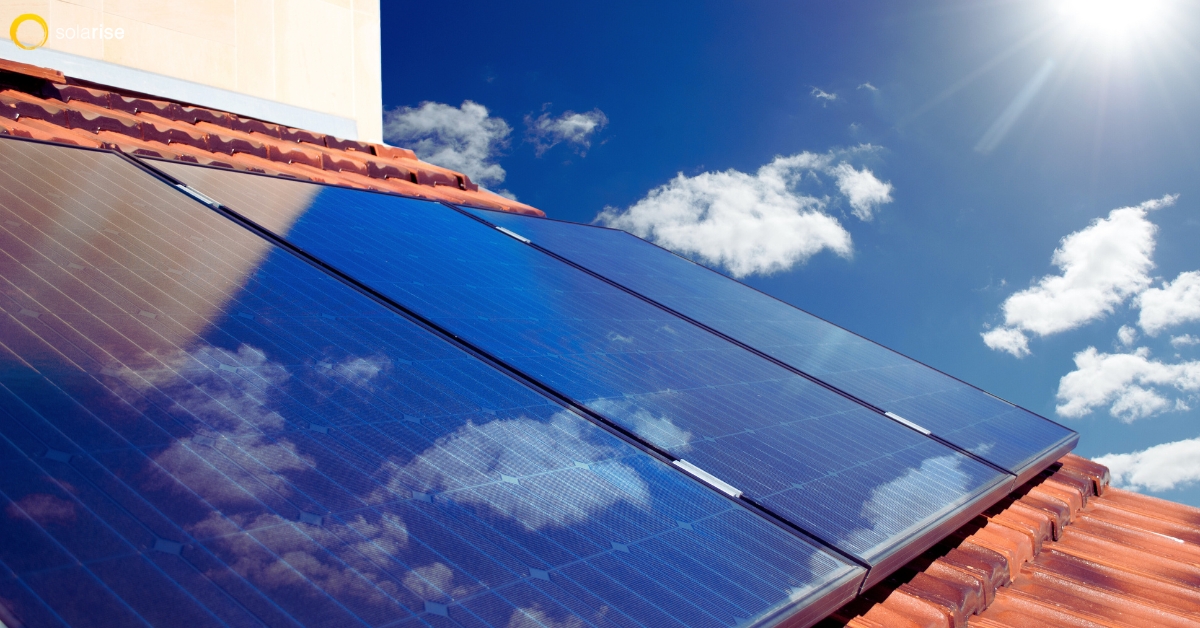
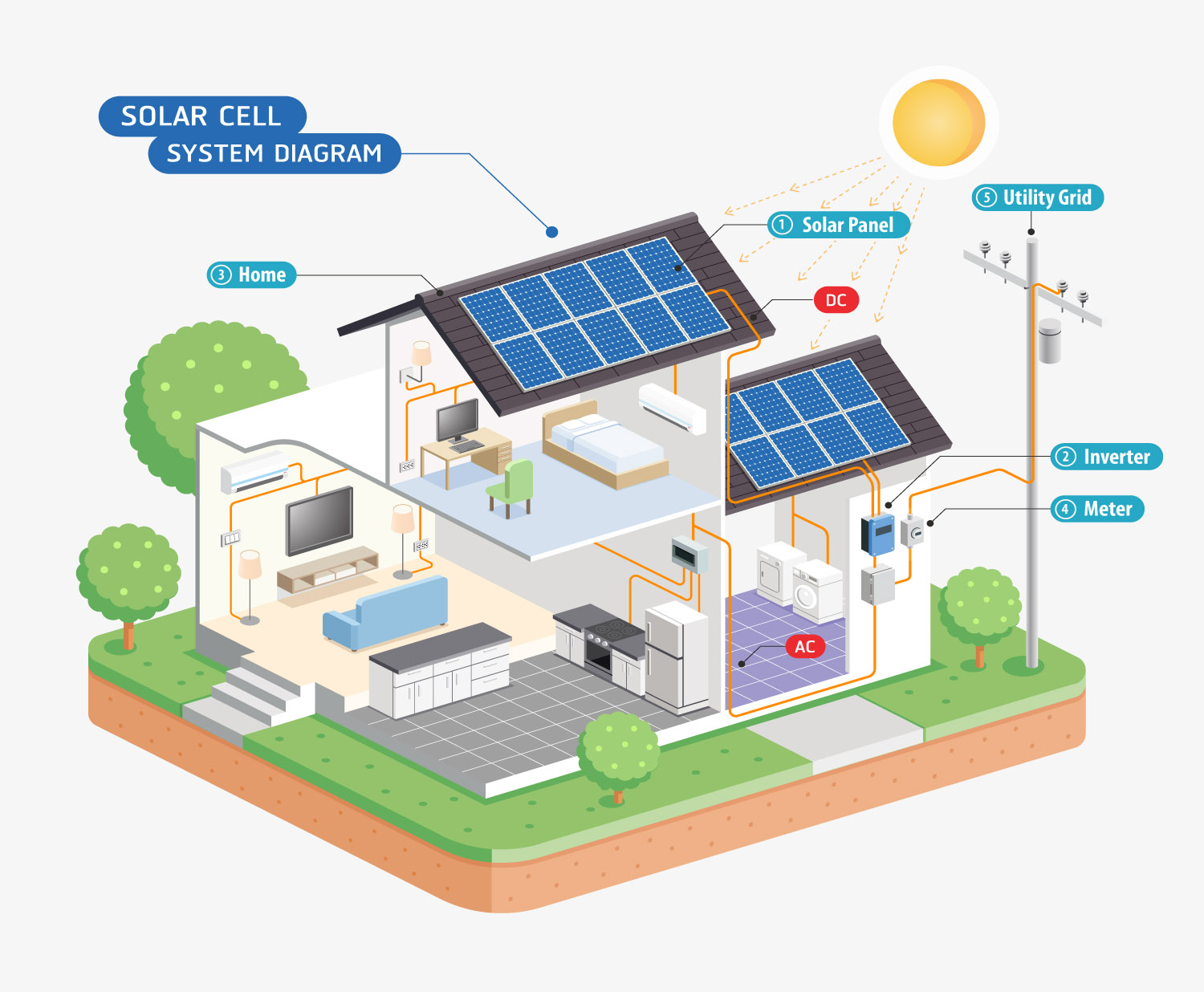
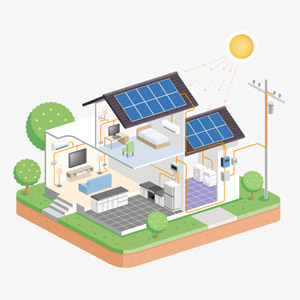
A solar energy system works by harnessing the energy from sunlight and converting it into usable electricity. The process begins with solar panels, which are made up of photovoltaic (PV) cells. These cells are typically made of silicon, a semiconductor material that generates an electric current when exposed to sunlight.
When sunlight hits the solar panels, the PV cells absorb the energy from the photons in the sunlight. This absorption causes electrons in the silicon atoms to become excited and break free from their atoms. The flow of these electrons creates an electric current.
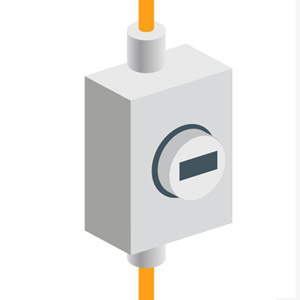
The direct current (DC) electricity produced by the solar panels is then converted into alternating current (AC) electricity using an inverter. AC electricity is the standard form of electricity used in homes and businesses. The inverter ensures that the electricity generated by the solar panels is compatible with the electrical appliances and devices we use every day.
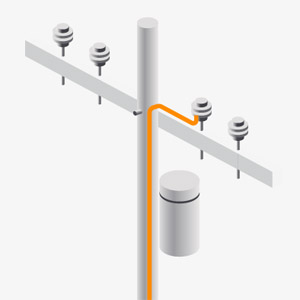
Once the electricity is in AC form, it can be used to power our homes or businesses. Any excess electricity produced by the solar panels can be stored in batteries or sent back to the electrical grid for others to use. This allows solar power systems to provide a reliable and sustainable source of electricity, reducing the reliance on traditional fossil fuel-based power sources.
Overall, solar power is a clean and renewable energy source that offers numerous benefits. It reduces greenhouse gas emissions, decreases reliance on non-renewable energy sources, and helps to create a more sustainable future
Contact Solarise Solar for Additional Information About Our Solar Panel Systems in Colorado Springs
Solarize Solar Panel System Diagram
Solar Energy System Monitoring
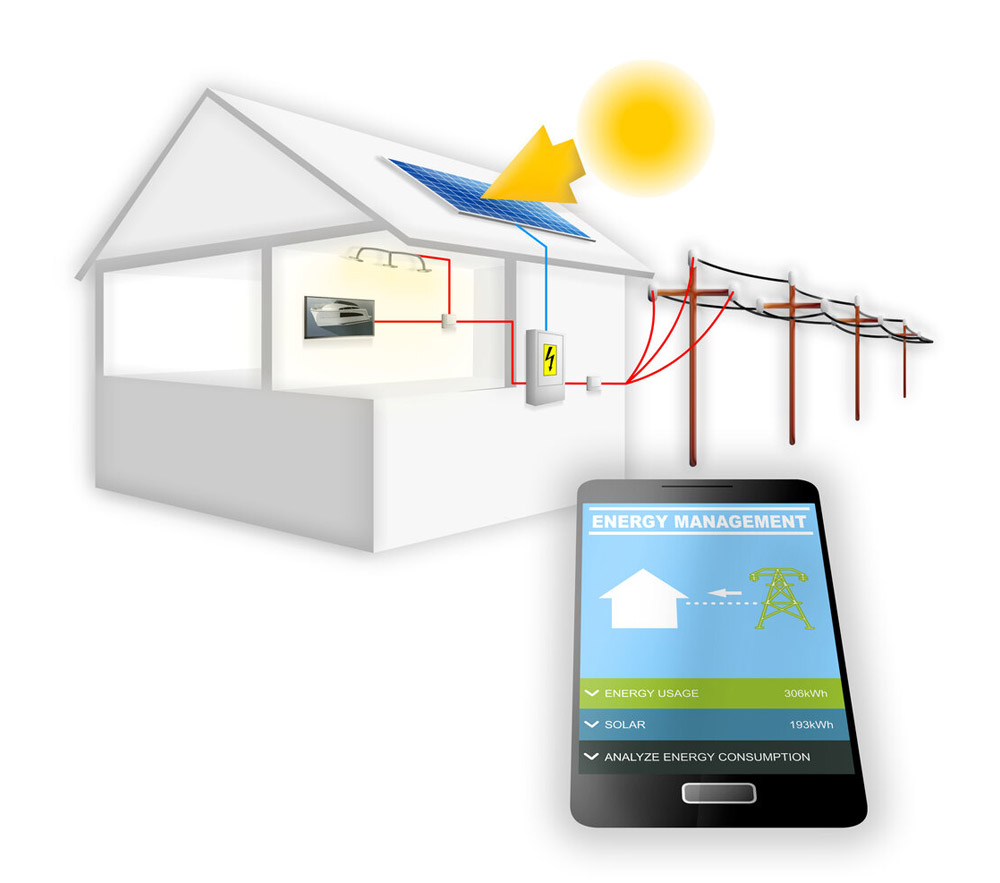
Solar power system monitoring is an essential aspect of maintaining and maximizing the performance of a solar panel installation. By monitoring the system, homeowners can keep track of the energy production of their solar panels, ensuring that they are operating at their optimal efficiency.
Monitoring your solar panel system with mobile or desktop apps allows for early detection of any issues or malfunctions, enabling prompt maintenance and repairs. Additionally, system monitoring provides real-time data on energy consumption and grid interaction, allowing homeowners to make informed decisions regarding their energy usage and potentially save even more on their electricity bills.
If You Have Questions About Monitoring Options For Our Solar Panel Systems, Call Solarise Solar at (719) 792-7674
Solar Panel Systems in Colorado Springs, Colorado
Are you a homeowner in Colorado Springs that is interested in harnessing the power of solar energy for your home? Look no further than Solarise Solar. With years of experience in the solar industry, our team of solar panel installation experts is here to help you make the switch to solar power.
By scheduling a free in-home solar analysis, we can assess your energy needs, evaluate your property's solar potential, and design a customized solar panel system that suits your specific requirements.
Our goal at Solarise Solar is to provide you with an economical and sustainable energy source that will not only reduce your electricity bills but also contribute to a greener future. Don't wait any longer to make the switch to solar power, contact Solarise Solar and take the first step towards a brighter and more sustainable future.